
Rock
Core Identity
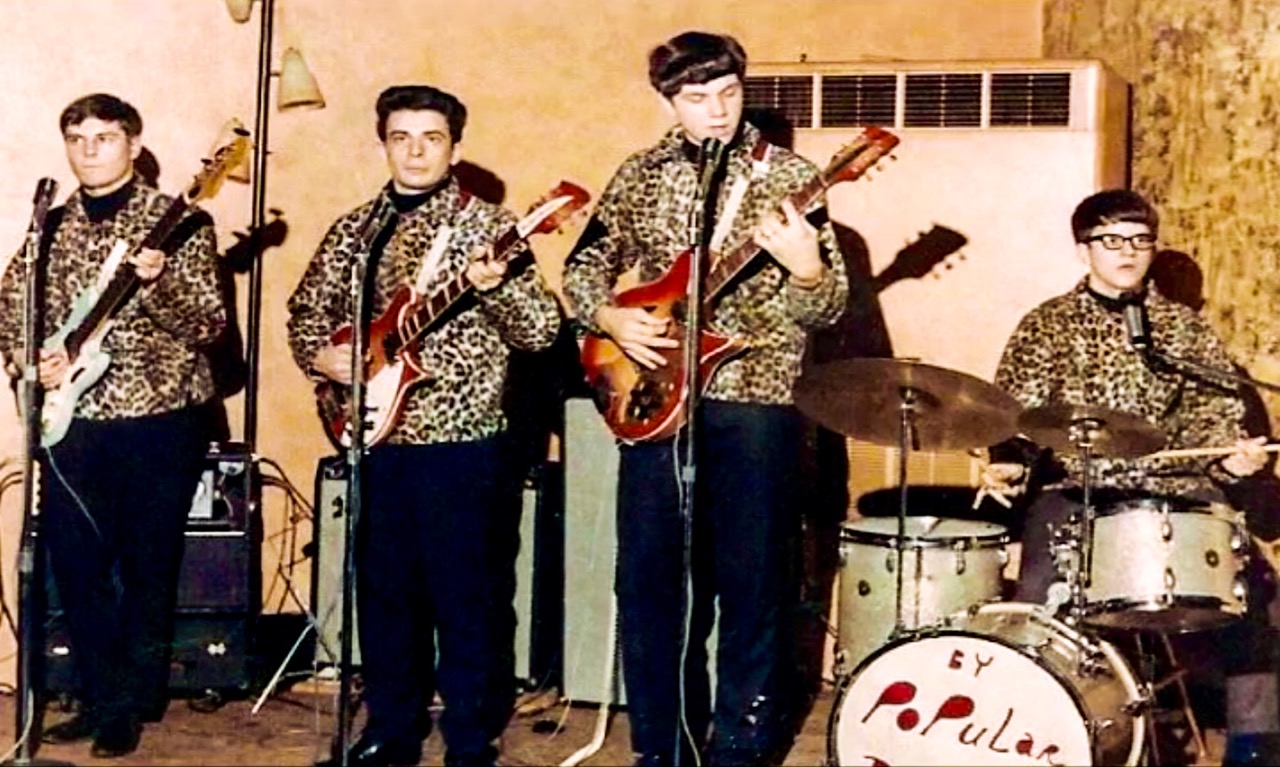
Rock is amplified ensemble music built around backbeat, riff force, and the idea that a band can embody a social posture as much as a set of songs. It matters because even later genres reacting against rock still inherit its assumptions about live energy, album identity, and sonic stance.
Why This Family Holds Together
- drums, bass, guitar, and voice remain the core dramatic engine even when keyboards or effects expand the palette
- arrangement power comes from riff placement, chorus release, and dynamic contrast
- performance identity matters as much as harmonic complexity
- scenes reward records that sound lived-in, bodily, and tied to a distinct worldview
Historical Arc
Rock grows from postwar rhythm and blues, country, and early youth-pop forms in the 1950s, expands through British invasion, garage, psychedelic, hard-rock, and album-oriented forms in the 1960s and 1970s, then keeps renewing itself through punk, indie, heartland, and revival waves.
Main Branches
Rock And Roll And Rockabilly
Concise hooks, swing-derived drive, and youth-charged directness. Rewarded for energy and song economy; criticized when revivalism reduces it to costume.
British Invasion, Garage, And Proto-Punk
Sharper riffs, louder identity, and a rougher, more aggressive band language. Rewarded for urgency and hooks; criticized when nostalgia replaces present-tense danger.
Hard Rock, Glam, And Arena Rock
Scale, riff authority, and theatrical release. Rewarded for big hooks and dangerous confidence; criticized when size outruns substance.
Album Rock And Heartland
Rock writing widened toward adulthood, place, and long-form album identity. Rewarded for emotional credibility; criticized when realism becomes formula.
Garage Revival And Renewal
Repeated returns to stripped-down gear, sharp songs, and live-wire energy. Rewarded when the revival feels necessary; criticized when it feels archival.
Parent And Child Relationships
- Rock grows from Blues, Country And Folk, and Soul, R&B, And Funk.
- The child branches in this folder are Rock And Roll And Rockabilly, British Invasion, Garage, And Proto-Punk, Hard Rock, Glam, And Arena Rock, Album Rock And Heartland, and Garage Revival And Renewal.
- Later families like Metal and Punk, Post-Punk, And New Wave are major descendants.
Shared Sound World
- groove and drum feel usually prioritize backbeat clarity and forward drive
- chord language often uses blues-based major-minor tension, power-chord simplification, or open-position anthem shapes
- melody and phrasing tend toward hook-forward directness
- vocal approach ranges widely but must project stance
- arrangements depend on intros, riff returns, and chorus payoffs
- a common logic is riff-first movement such as
I-bVII-IVorI-IV-V, where harmonic simplicity becomes powerful through timing, tone, and repetition
Canon, Community, And Failure Modes
What communities keep rewarding
- memorable riffs
- ensemble chemistry
- loudness tied to emotional or social meaning
What often becomes forgettable
- competent bar-band writing with no point of view
- generic radio compression over weak songs
What regularly fails or draws criticism
- empty macho confidence
- heritage worship without stakes
- scale used to cover compositional thinness
Composition And Production Takeaways
- Typical emotional effect: propulsion, defiance, collective force, and release.
- Groove and drum logic: strong backbeat and kick placement create most of the form's authority.
- Chord and bass movement habits: simple roots become powerful when tied to clear riff contour.
- Useful progression examples:
I-IV-Vgives classic forward motion;I-bVII-IVadds a tougher descending drag common to heavier rock writing. - Melody and vocal behavior: choruses need a durable line, even in rougher substyles.
- Instrumentation and arrangement roles: rhythm guitar or riff instrument must define the frame quickly.
- Signature production or mix traits: punchy drums, centered vocal presence, and guitar tone with identity rather than generic loudness.
- Patterns that work repeatedly: strong intros and ensemble lock.
- Patterns that age badly: overcompressed sameness and prestige-rock bloat.