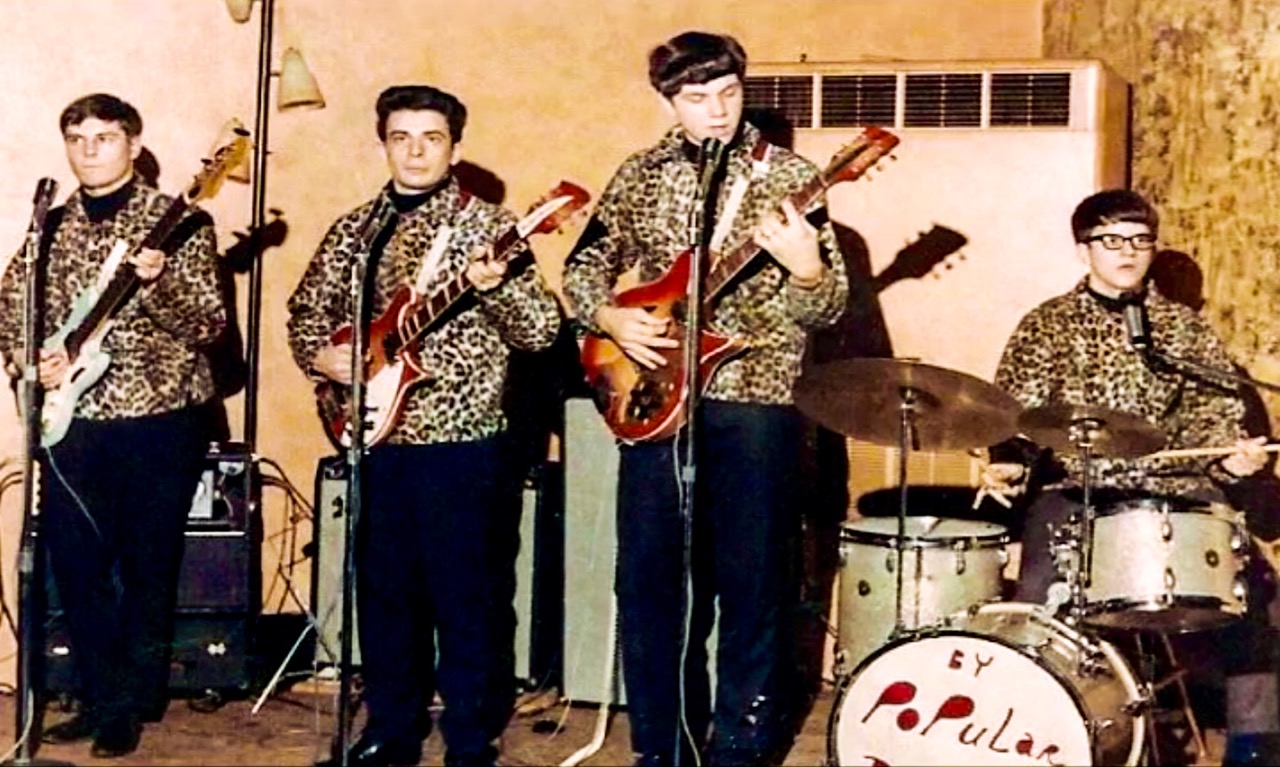

British Invasion, Garage, And Proto-Punk
Overview
This branch sharpens early rock into louder riffs, rougher textures, and more aggressive identity, paving the way for punk and harder guitar music. It differs from rock and roll by sounding tougher and more self-consciously modern.
Parent, Child, And Sibling Genres
- Immediate parent genre: Rock.
- Important later mutation: First-Wave Punk.
- Common sibling: Hard Rock, Glam, And Arena Rock.
Historical Context
This branch formed when early rock and roll was recharged through louder amplification, beat-group discipline, and a growing youth culture hungry for sharper attitude. The British Invasion reorganized American rhythm and blues and rock sources for a mass pop market, while US garage and proto-punk scenes pushed the sound toward rougher textures and more aggressive minimalism. It emerged because guitar music was becoming both more international and more rebellious at the same time.
Time, Place, And Scene
It matters most in the 1960s and early 1970s, especially in UK beat scenes, US garage circuits, and proto-punk urban undergrounds.
Core Sound
- Groove and rhythm feel: keep the beat driving and uncomplicated.
- Chord movement and tension-release habits: strong root motion and riff hooks matter more than harmonic complexity.
- Melody shape and phrasing: keep the top line short and instantly recognizable.
- Vocal or lead-line behavior: keep the top line short and instantly recognizable.
- Typical instruments and their roles: guitar and snare have to stamp identity fast.
- Sound color and production feel: distortion and room sound should sound alive, not generic.
- Arrangement shape: arrangements designed to hit fast and leave a strong identity mark; the strongest versions keep danger and hook density.
I-bVII-IV creates a descending toughened rock push that feels more unruly than plain major-key pop.
Canon Anchors
- The Kinks
- The Sonics
- The Stooges
What Makes It Work
- urgency paired with hooks
- rawness that still sounds intentional
- guitar parts that define the whole track quickly
What Turns Generic Or Fails
- retro garage fuzz with no memorable song
- nostalgia flattening what was once dangerous
- looseness mistaken for energy
Composition And Production Takeaways
- Emotional target: excitement, insolence, and sharpened youthful force.
- Groove pattern or rhythmic behavior: keep the beat driving and uncomplicated.
- Chord and bass habits: strong root motion and riff hooks matter more than harmonic complexity.
- At least one readable progression or riff example with plain-English explanation:
I-bVII-IVcreates a descending toughened rock push that feels more unruly than plain major-key pop. - Melody and vocal behavior: keep the top line short and instantly recognizable.
- Instrumentation: guitar and snare have to stamp identity fast.
- Production and mix traits: distortion and room sound should sound alive, not generic.
- What to keep: danger and hook density.
- What to avoid: museum-piece revivalism.
Use It When
Use it when a track needs rude guitar authority, sharp hooks, or a bridge between early rock and punk energy.