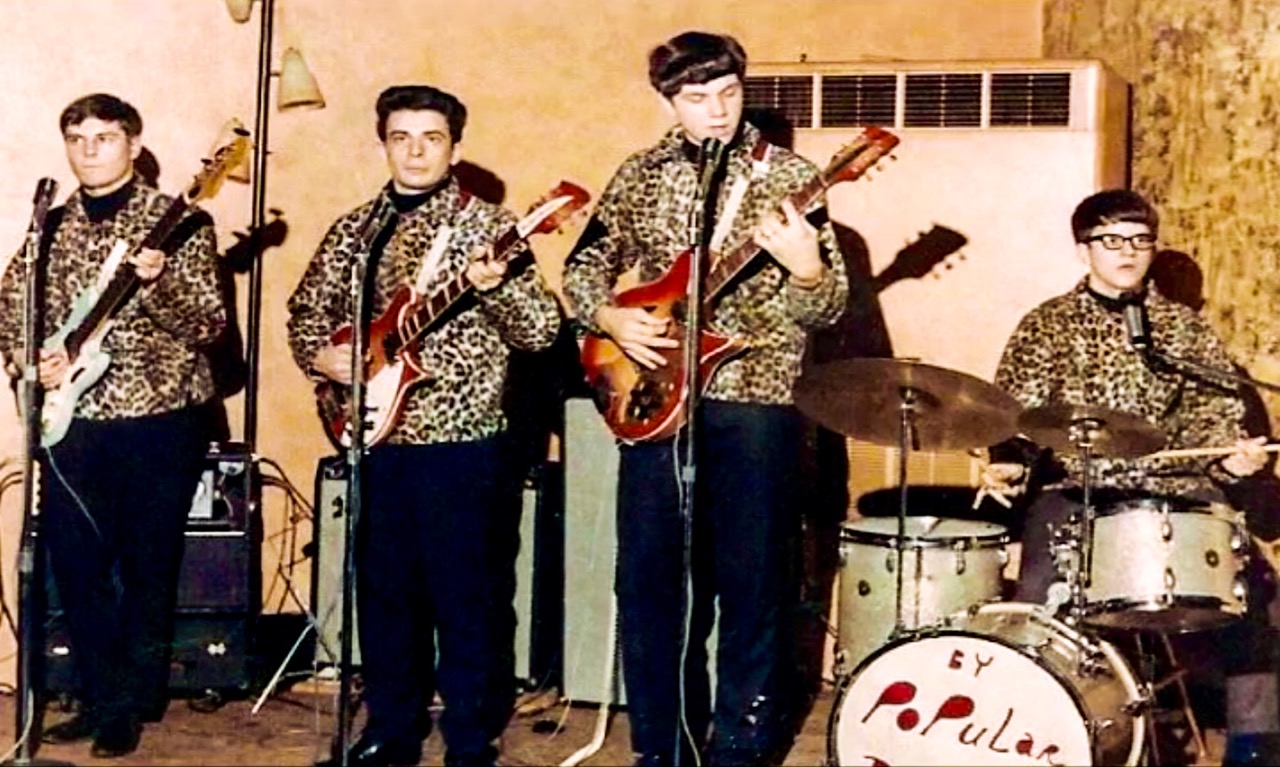

Garage Revival And Renewal
Overview
Garage revival and renewal return to stripped gear, sharp riffs, and high-voltage band immediacy, usually as a corrective to overdesigned mainstream rock. It differs from original garage rock by being self-aware about history while still trying to sound immediate.
Parent, Child, And Sibling Genres
- Immediate parent genre: Rock.
- Common sibling: British Invasion, Garage, And Proto-Punk.
- Common overlap: Alternative And Indie.
Historical Context
Garage revival emerged whenever guitar scenes felt overproduced, overconceptualized, or too detached from live-band electricity. Later waves, especially in the late 1990s and 2000s, used older garage and proto-punk vocabulary as a corrective rather than a museum exercise. The branch formed because rock repeatedly generates counter-movements that try to restore immediacy, friction, and a sense of band-in-a-room presence.
Time, Place, And Scene
It matters in repeated waves, especially around the late 1990s and 2000s, through independent labels, clubs, and guitar-band renewal scenes.
Core Sound
- Groove and rhythm feel: the rhythm is usually straight, urgent, and physically legible, with drums and rhythm guitar pushing the song forward without ornamental clutter.
- Chord movement and tension-release habits: riffs, root movement, and bass doubles often do most of the harmonic work, so the tension comes from attack, stop-start energy, and how quickly the band lands the return.
- Melody shape and phrasing: melodies tend to be compact, sharp-edged, and easy to remember, with verse lines that spit information quickly and choruses that turn a small hook into a physical release point.
- Vocal or lead-line behavior: the singer usually works like another percussive instrument, snapping phrases into the groove with taunt, boredom, sneer, or frantic push rather than with elaborate melodic extension.
- Typical instruments and their roles: guitar riff, bass reinforcement, and a tight drum frame are the core engine, with any extra keyboard, handclap, or overdub used only if it intensifies the hook.
- Sound color and production feel: dry punch, amp dirt, hand-played attack, and room-level immediacy matter more than layered polish, and the best records sound fast even when the tempo is not extreme.
- Arrangement shape: songs are built around immediate impact, usually moving from riff to verse to chorus with very little wasted motion, while intros, breaks, and endings stay concise enough to keep the voltage high.
A two-chord riff can carry the track if tone, timing, and vocal hook each add their own identity layer. In plain language, the song feels complete not because it is harmonically rich, but because every simple part lands hard and fast.
Canon Anchors
- The White Stripes
- The Strokes
- Yeah Yeah Yeahs
What Makes It Work
- fresh urgency rather than archival taste
- lean arrangements with exact hooks
- live energy translated clearly on record
What Turns Generic Or Fails
- vintage-gear fetish with no songs
- compressed indie rock flattening the supposed rawness
- ironic coolness replacing force
Composition And Production Takeaways
- Emotional target: snap, cool pressure, and immediate release.
- Groove pattern or rhythmic behavior: keep rhythm simple and authoritative.
- Chord and bass habits: riffs and bass doubles often do enough.
- At least one readable progression or riff example with plain-English explanation: a two-chord riff can carry the track if tone, timing, and vocal hook each add their own identity layer.
- Melody and vocal behavior: keep the chorus short and repeatable.
- Instrumentation: do more with fewer moving parts.
- Production and mix traits: dry punch, controlled dirt, and no unnecessary layering.
- What to keep: economy.
- What to avoid: curated scruffiness.
Use It When
Use it when a track needs stripped guitar energy, fast hook delivery, or anti-bloat band momentum.