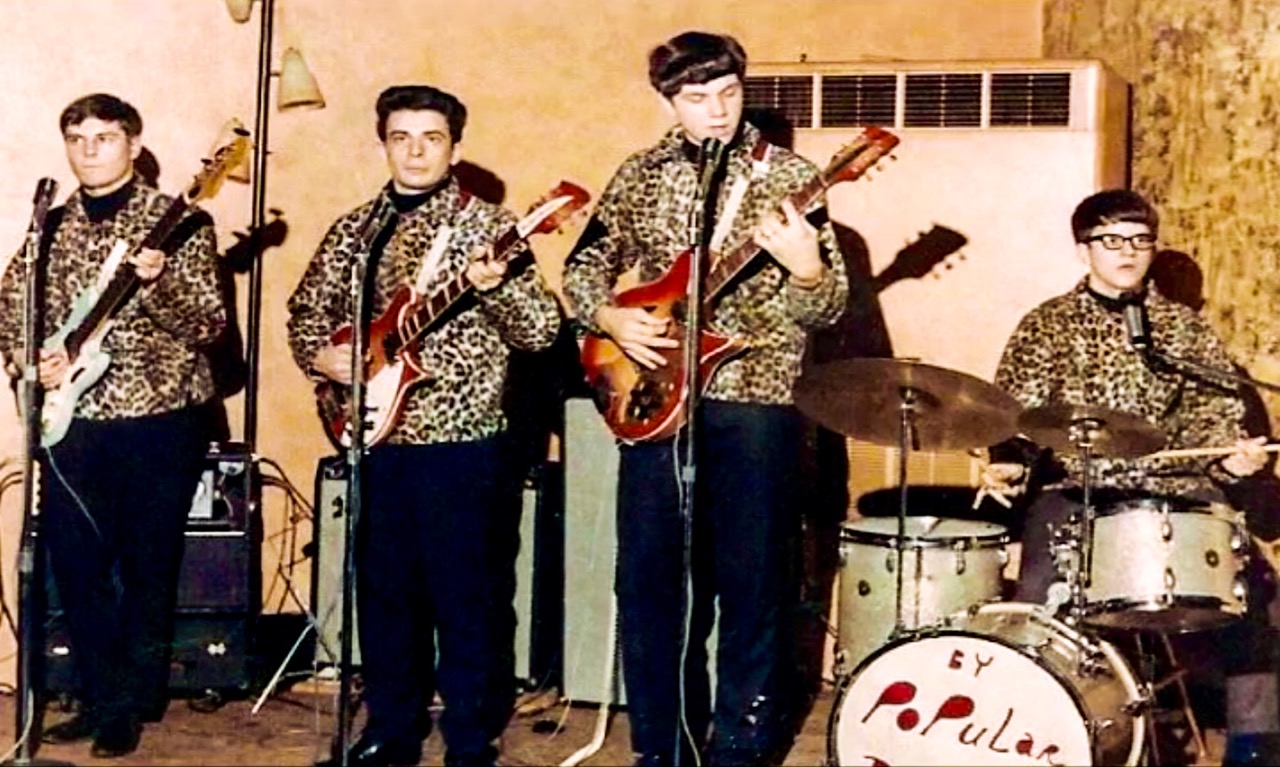

Rock And Roll And Rockabilly
Overview
This branch is the early engine of rock: concise songs, swing-derived backbeat, bright riff hooks, and a body-first sense of excitement. It differs from later rock by being leaner, faster to the point, and more directly tied to dance and crossover energy.
Parent, Child, And Sibling Genres
- Immediate parent genre: Rock.
- Important later mutation: British Invasion, Garage, And Proto-Punk.
- Important parent overlap: Blues and Country And Folk.
Historical Context
Rock and roll and rockabilly emerged when rhythm and blues, country, boogie, and youth-market radio converged in the 1950s. Electric guitars, backbeat emphasis, and singles culture helped turn regional Black and white vernacular styles into a mass crossover sound. The branch formed because a new postwar youth audience wanted dance music that felt rebellious, portable, and culturally mixed in ways older pop categories could not contain.
Time, Place, And Scene
It becomes decisive in the 1950s across the US through radio, singles culture, and touring circuits that connect regional styles to mass youth audiences.
Core Sound
- Groove and rhythm feel: keep the backbeat dancing, not merely loud.
- Chord movement and tension-release habits: blues-based major harmony and walking or bouncing bass are core.
- Melody shape and phrasing: prioritize bite, call-and-response, and immediate sing-back value.
- Vocal or lead-line behavior: prioritize bite, call-and-response, and immediate sing-back value.
- Typical instruments and their roles: guitar, piano, and snare all compete to sell the hook.
- Sound color and production feel: bright attack, limited clutter, and audible room energy.
- Arrangement shape: concise arrangements designed for immediate payoff; the strongest versions keep motion and wit.
I-IV-V works as a fast circular engine where the rhythm and pickup phrases make the loop feel constantly in motion.
Canon Anchors
- Chuck Berry
- Little Richard
- Carl Perkins
What Makes It Work
- hook density
- bodily momentum
- playful but exact rhythmic attack
What Turns Generic Or Fails
- heritage reenactment with no spark
- flattened modern production killing the swing
- superficial nostalgia without rhythmic fluency
Composition And Production Takeaways
- Emotional target: joy, mischief, speed, and bodily excitement.
- Groove pattern or rhythmic behavior: keep the backbeat dancing, not merely loud.
- Chord and bass habits: blues-based major harmony and walking or bouncing bass are core.
- At least one readable progression or riff example with plain-English explanation:
I-IV-Vworks as a fast circular engine where the rhythm and pickup phrases make the loop feel constantly in motion. - Melody and vocal behavior: prioritize bite, call-and-response, and immediate sing-back value.
- Instrumentation: guitar, piano, and snare all compete to sell the hook.
- Production and mix traits: bright attack, limited clutter, and audible room energy.
- What to keep: motion and wit.
- What to avoid: stiff nostalgia.
Use It When
Use it when a track needs foundational rock drive, vintage swing energy, or concise hook-first momentum.